Day 4: Amazonia Lodge
On the second day in Amazonia, we got up at 6 am to take a boat to visit the Mascoitania Macaw and Parrot lick. This was an amazing sight to see. There were hundreds of macaws and parrots taking advantage of the clay mineral deposits as they started their day. There are many Chestnut-fronted Macaws and Blue-headed parrots in this picture. They only visit in the early morning and then they are gone. This lick does not attract the larger Scarlet, Red-green and Blue-yellow macaws. One needs to go even further into the Manu Lowlands to see these larger macaws at a lick. Perhaps someday we will go to the Tambopata lick which is the largest and most spectacular of the Macaw licks.
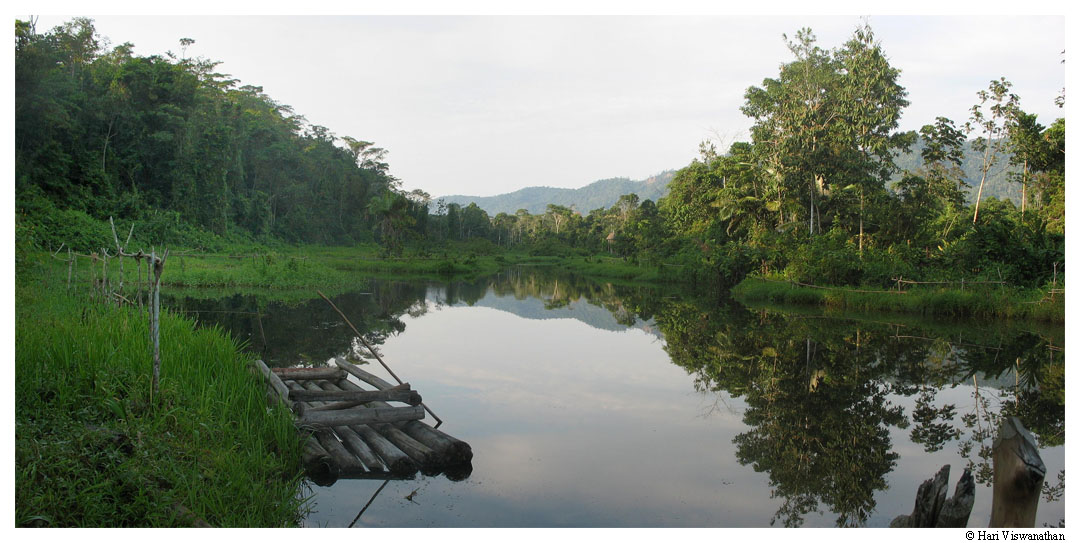
We then hiked from the Lick to the Machu Wasi Oxbow lake. Oxbow lakes form when the river meanders to a new route leaving a lake at the old river location. Here is a picture of the lush Oxbow lake that attracts an entirely new set of species.
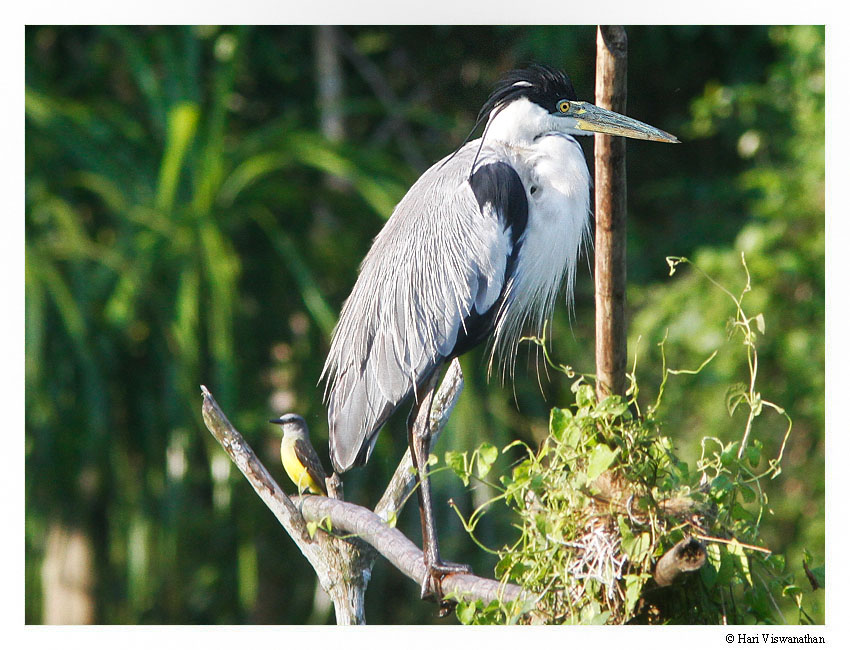
We saw many water birds like this Cocoi Heron, the largest heron in South America.
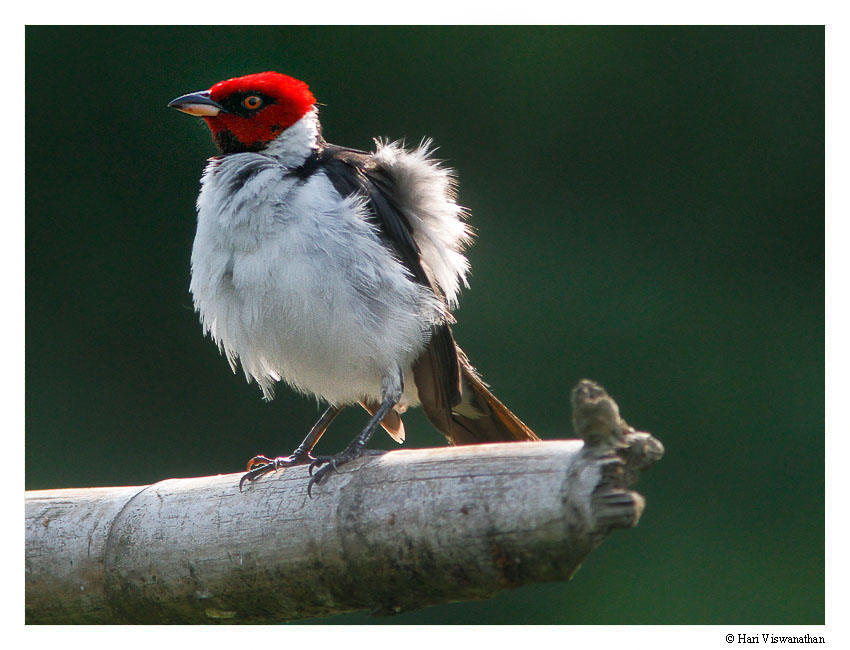
The Red-capped Cardinal is another handsome species common in this area.
Comical prehistoric looking Horned Screamers also perch in the trees along the lake. If you look closely you can see the "horn" that extends from their heads.

We returned from the oxbox lake back to the lodge to explore another part of vast trail system. Virgilio was set on getting me a photo of one type of antbird. Numerous antbirds skulk in the understory of the rainforest. They are very difficult to even see and almost impossible to photograph. Even with Virgilio's recordings and his knowledge we got very few cooperative antbirds. If one is very lucky, you may see antbirds at an army ant swarm where they feed. But this is rare and we did not see one. We did get this very cooperative Chestnut-tailed Antbird with his intricate patterns.

We then focused on one of the birds that I really wanted to see and photograph in the lowlands, the Band-tailed Manakin. Virgilio warned me that they are quite shy and even though they display low in a lek, they are not easy to get a good look at. He was right, we spent an hour at the lek and got glimpses but got nowhere close to a decent photo due to the dense, dark forest. Then we gave up and went looking for other species and the manakin showed up right next to the trail! Here the new Canon EOS 7D really was worth it since it focused perfectly in low light and handled the high iso with very little noise. You can even see another one in the background. This fellow is one of my all time favorites.

This walk turned out to be on of the most productive of the entire trip. Species just kept coming including the Blue-crowned Trogon.

Next came the most exotic primate that I've seen the Saddle-backed Tamarin.

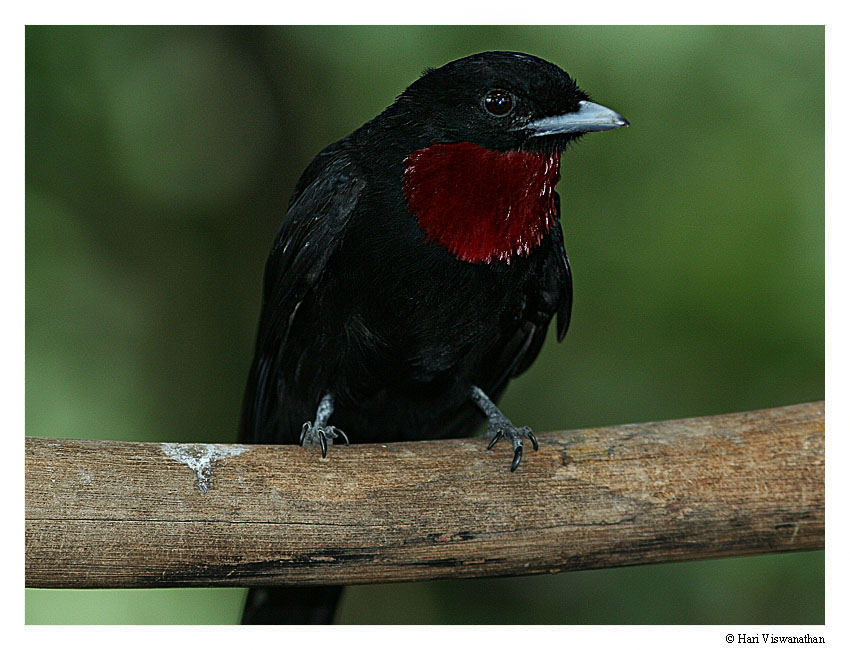
The Purple-throated Fruitcrow, one of more common members of the spectacular Cotingas also was along the trail.
Next, came the largest Toucan in this area, the White-throated Toucan.

We made our way back to the lodge after a highly successful outing. We then ate lunch and looked to see what hummingbirds would turn up. This handsome Fork-tailed Woodnymph was feasting on the verbena flowers.

We set out again and a large Greater Yellow-headed Vulture landed right near a clearing we were at. Apparently they usually are only seen in the air. They are famous for having an uncanny knack for finding carrion from great distances even below the dense rain forest canopy.

We also saw the rare Blue-headed Macaw. They are endangered and this is one of the few places one can see them. However, they often feed high in the canopy so it was great to get such a good luck.

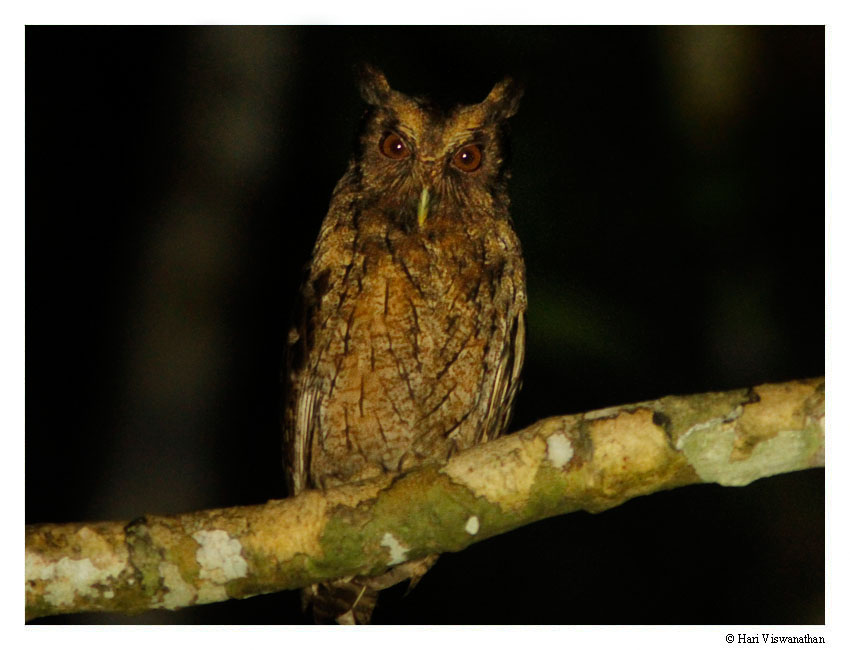
Finally, after another amazing day, we wrapped it up with night birding and getting a nice look at this Tawny-bellied Screech Owl.